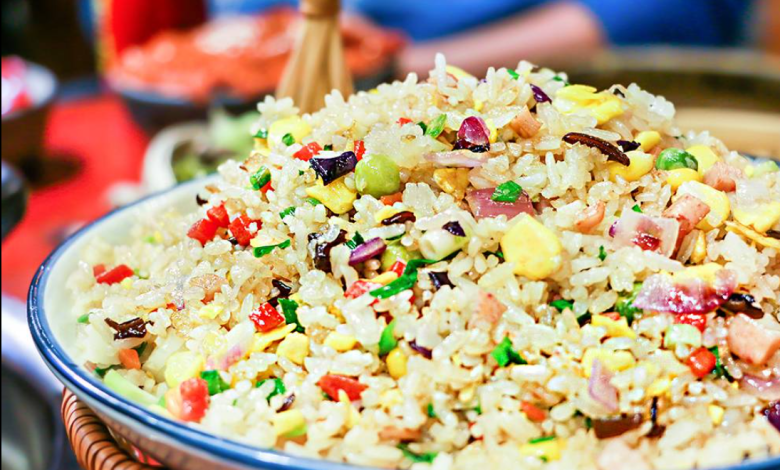
In the bustling culinary landscape of Sichuan cuisine, known for its fiery spices and complex flavors, one dish stands out for its deceptive simplicity and universal appeal—Chengdu fried rice. Unlike the more famous mapo tofu or kung pao chicken, fried rice might seem like an ordinary staple, but in Chengdu, it is elevated to an art form. A perfect balance of textures, aromas, and subtle heat, this dish embodies the essence of Sichuan cooking: bold flavors crafted from humble ingredients.
The Origins of Chengdu Fried Rice
Fried rice, in its various forms, has been a part of Chinese cuisine for centuries, dating back to the Sui Dynasty (581–618 AD). Originally, it was a practical way to use leftover rice and scraps of meat or vegetables, preventing waste while creating a satisfying meal. In Chengdu, however, fried rice took on a distinct personality, influenced by the region’s abundant produce, fragrant spices, and love for layered flavors.
Unlike Cantonese-style fried rice, which emphasizes lightness and wok hei (the “breath of the wok”), Chengdu fried rice is richer, often featuring Sichuan peppercorns, chili oil, and fermented ingredients that add depth. It is a dish born from both necessity and creativity, reflecting the resourcefulness of Sichuan’s home cooks and street vendors.
Key Ingredients: What Makes It Unique?
At first glance, Chengdu fried rice may look similar to other regional versions, but a closer taste reveals its distinctive character. The magic lies in the ingredients:
- Rice – The foundation of any fried rice, day-old jasmine or long-grain rice is preferred because it fries better without turning mushy. In Chengdu, some cooks even use steamed rice with a firmer texture to ensure each grain remains separate.
- Sichuan Peppercorns (花椒, huājiāo) – These tiny red or green husks deliver the signature má là (numbing and spicy) sensation. Lightly toasted and ground, they add a tingling depth that sets Chengdu fried rice apart.
- Chili Oil or Doubanjiang (豆瓣酱) – Sichuan cuisine is famous for its heat, and fried rice is no exception. A spoonful of homemade chili oil or fermented broad bean paste (doubanjiang) infuses the dish with a deep, savory spice.
- Preserved Vegetables (榨菜, zhàcài or 芽菜, yácài) – A hallmark of Sichuan cooking, these salty, tangy pickles add umami and crunch. Zha cai (Sichuan preserved mustard tuber) is a common addition, finely diced and stir-fried with the rice.
- Protein – While the dish can be made vegetarian, classic versions include diced ham, barbecued pork (char siu), shrimp, or scrambled eggs. Some street vendors even add minced pork for extra richness.
- Aromatics – Garlic, scallions, and ginger form the base, while a splash of Shaoxing wine or light soy sauce enhances the savory notes.
The Art of Cooking Chengdu Fried Rice
The secret to perfect fried rice lies in technique as much as ingredients. In Chengdu’s home kitchens and street stalls, the process is a well-practiced dance of heat and timing:
- High Heat, Quick Cooking – A roaring hot wok ensures the rice doesn’t steam but instead develops a slightly smoky crispness.
- Layering Flavors – Aromatics like garlic and ginger are fried first, followed by protein, then vegetables. The rice is added last, tossed vigorously to coat each grain with oil and spices.
- Controlled Seasoning – Unlike Cantonese fried rice, which may rely on simple soy sauce, Chengdu-style uses a mix of doubanjiang, Sichuan pepper, and a touch of sugar to balance the heat.
- The Final Touch – A sprinkle of fresh scallions or cilantro brightens the dish, while an optional drizzle of chili oil adds a final punch.
Variations and Modern Twists
While the classic version remains beloved, Chengdu fried rice has evolved with creative interpretations:
- “Lazy Dragon” Fried Rice (懒龙炒饭, Lǎnlóng chǎofàn) – Named for its resemblance to a coiled dragon, this version includes shredded omelet woven through the rice.
- Pineapple Fried Rice (菠萝炒饭, Bōluó chǎofàn) – A sweet-savory twist with fresh pineapple, cashews, and curry powder, popular in trendy Chengdu eateries.
- Vegetarian “Monk’s” Fried Rice (素炒饭, Sù chǎofàn) – Made with tofu, mushrooms, and bamboo shoots, often served in Buddhist temples.
Why Chengdu Fried Rice Stands Out
What makes this dish so special is its ability to be both comforting and exciting. It’s a meal that can be whipped up in minutes yet carries the complexity of Sichuan’s famed flavors. Unlike richer dishes like hotpot, fried rice is everyday food—accessible, adaptable, and deeply satisfying.
For visitors to Chengdu, tasting authentic fried rice is a must. Whether from a hole-in-the-wall street vendor or a high-end Sichuan restaurant, each version tells a story of tradition, innovation, and the city’s love for bold, unforgettable taste.
Conclusion: A Humble Dish with a Grand Legacy
Chengdu fried rice proves that great flavor doesn’t require elaborate preparation. With just a few key ingredients and a blazing wok, it transforms simple rice into a dish that’s fragrant, spicy, and utterly addictive. It’s a testament to Sichuan cuisine’s genius—taking the ordinary and making it extraordinary.
So the next time you sit down to a plate of fried rice in Chengdu, remember: you’re not just eating leftovers. You’re tasting centuries of culinary wisdom, one delicious bite at a time.