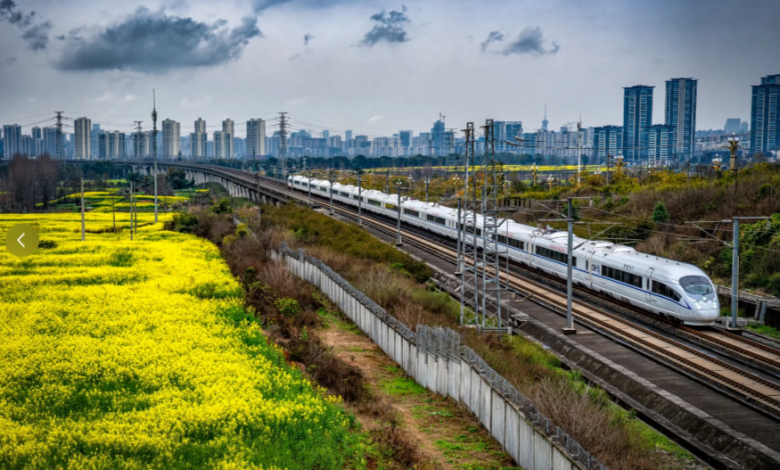
Traveling by train from Beijing to Chengdu is a fantastic way to experience China’s vast landscapes, from the bustling capital to the laid-back charm of Sichuan Province. Whether you’re a tourist exploring China or a local traveler, knowing what to expect can make your journey smoother and more enjoyable.
This guide covers everything you need to know, including train types, ticket booking, onboard amenities, scenic views, and arrival tips.
1. Types of Trains Available
When traveling from Beijing to Chengdu, you have several train options, each offering different speeds, comfort levels, and prices.
High-Speed Trains (G/D Trains)
The fastest way to travel between Beijing and Chengdu is by high-speed rail (HSR). These trains take 7.5 to 8 hours, covering a distance of about 1,800 km.
- G Trains (G字头): The fastest option, with fewer stops.
- D Trains (D字头): Slightly slower but more affordable.
High-speed trains depart from Beijing West Railway Station and arrive at Chengdu East Railway Station. Tickets range from ¥800 to ¥1,500 depending on the class:
- Second Class (二等座): Basic but comfortable seating.
- First Class (一等座): Wider seats with more legroom.
- Business Class (商务座): The most luxurious option, with reclining seats and premium service.
Overnight Sleeper Trains (K/T/Z Trains)
If you prefer a slower, more budget-friendly journey, sleeper trains are a great choice. These take 20-30 hours, allowing you to sleep while traveling.
- Z Trains (Z字头): Direct express trains with fewer stops.
- T/K Trains (T/K字头): Slightly slower with more stops.
Sleeper classes include:
- Hard Sleeper (硬卧): Open compartments with six bunks per section.
- Soft Sleeper (软卧): More private, with four bunks in a closed cabin.
Prices range from ¥300 to ¥700, making them a cost-effective option for long-distance travel.
2. How to Book Tickets
Booking train tickets in China is straightforward, but planning ahead is essential, especially during peak travel seasons (Chinese New Year, summer holidays).
Online Booking
The easiest way to book tickets is through:
- 12306.cn (official railway website, English version available)
- Trip.com / Ctrip (user-friendly for foreigners)
- WeChat/Alipay Mini Programs (convenient for mobile users)
You’ll need your passport or Chinese ID card to book. E-tickets can be collected at the station or scanned directly from your phone.
Ticket Counters & Machines
If you prefer in-person booking, major train stations have English-speaking staff and self-service kiosks. However, popular trains sell out quickly, so booking online is recommended.
Best Time to Book
Tickets go on sale 15-30 days in advance. For high-speed trains, book at least 3-5 days early. For sleeper trains, 1-2 weeks ahead is safer.
3. Onboard Amenities & Comfort Tips
Knowing what to expect onboard will help you prepare for a comfortable journey.
Food & Dining
- High-speed trains: A dining car serves hot meals (¥30-60), and vendors sell snacks.
- Sleeper trains: Meals are available, but bringing your own instant noodles, fruits, and drinks is a good idea.
Luggage & Storage
- High-speed trains: Overhead racks and space behind seats for suitcases.
- Sleeper trains: Space under the lower bunks for larger bags.
Entertainment & Connectivity
- WiFi: Available on some high-speed trains (may require a Chinese phone number).
- Power Outlets: All seats have charging ports.
- Entertainment: Bring a book, download movies, or enjoy the scenery.
Comfort Tips
- Dress in layers (train temperatures vary).
- Bring slippers (especially for sleeper trains).
- Earplugs & eye mask (useful for overnight trips).
4. Scenic Views Along the Way
One of the best parts of train travel is the ever-changing scenery outside your window.
Beijing to Xi’an (First Half of the Journey)
- North China Plains: Flat farmlands and small villages.
- Yellow River: Crossed near Zhengzhou, a major landmark.
Xi’an to Chengdu (Second Half)
- Qinling Mountains: A stunning natural barrier between north and south China.
- Sichuan Basin: Lush green hills and terraced fields as you approach Chengdu.
If taking an overnight train, you’ll miss some views, but waking up to Sichuan’s misty landscapes is magical.
5. Arrival in Chengdu: What to Do Next
Once you arrive at Chengdu East Railway Station, here’s what to expect:
Transport from the Station
- Metro: Line 2 and Line 7 connect to downtown.
- Taxis: Readily available (use DiDi for convenience).
- Buses: Cheap but may be crowded.
First Steps in Chengdu
- Get a Sichuan Transportation Card (for buses/metro).
- Try local food (hotpot, dan dan noodles!).
- Visit attractions like the Panda Base or Jinli Ancient Street.
Where to Stay
- Downtown (Tianfu Square): Best for first-time visitors.
- Near Chunxi Road: Shopping and nightlife hub.
Final Thoughts
Train travel from Beijing to Chengdu is an adventure in itself. Whether you choose a speedy high-speed train or a leisurely sleeper, you’ll enjoy stunning landscapes and a glimpse of China’s diverse regions.
By planning ahead and knowing what to expect, your journey will be smooth and memorable. Safe travels!