

Can Traditional Chinese Medicine Help with Keloid Scars? Here’s What Science and Patients Say

Keloid scars are abnormal, raised scars that extend beyond the original wound area, often resulting from skin injuries, surgeries, or acne. They are common but notoriously difficult to treat, with conventional methods like laser therapy or surgery often carrying risks and limited success. For those seeking a more natural and non-invasive option, Traditional Chinese Medicine (TCM) offers promising alternatives. With its holistic approach and use of time-tested herbs, TCM may provide a safe, effective solution for keloid scar treatment. This article will explore the potential benefits of TCM in managing keloids, backed by both scientific research and patient experiences.
1. Understanding Keloid Scars: The Challenge of Treatment
Keloid scars are abnormal scars that form when the body produces excessive collagen during the healing process, causing tissue to grow beyond the boundaries of the original wound. These scars are typically raised, firm, and may have a reddish or dark coloration. Unlike normal scars, keloids continue to grow even after the wound has healed, often leading to discomfort, tightness, or an unsightly appearance. The exact cause of keloid formation is not fully understood, but factors like genetics, skin tension, and certain types of injuries are known to play a role.
The treatment of keloid scars presents a significant challenge for both patients and healthcare professionals. Conventional methods, such as laser therapy and surgical excision, often offer limited success. Laser treatments may help flatten the scar and reduce redness, but they don’t prevent the keloid from reappearing, and multiple sessions are often required. Surgery carries risks such as infection, recurrence, and the possibility of creating new keloids. Furthermore, these treatments can be costly, time-consuming, and may result in significant downtime for the patient.
Patients often find themselves confused and frustrated, as the recurrence of keloid scars after treatment is common. Many are also concerned about the side effects of invasive treatments, which may include pain, pigmentation changes, or further scarring. As a result, there is a growing demand for natural, non-invasive treatments that address the root causes of keloid formation while minimizing the risk of recurrence or complications. This is where alternatives like Traditional Chinese Medicine (TCM) come into play, offering a promising solution to these ongoing challenges.
2. Traditional Chinese Medicine: A Time-Tested Approach to Scar Healing
Traditional Chinese Medicine (TCM) offers a time-tested approach to scar healing, based on the holistic principles of balancing the body’s internal energy, or Qi, and promoting the smooth flow of blood and lymphatic fluids. In TCM, scar formation is often seen as a result of stagnant blood flow or Qi imbalance at the site of an injury. The core therapeutic principle for scar treatment is “activating blood and removing stasis” , which helps restore proper circulation, reduce inflammation, and encourage the regeneration of healthy tissue.
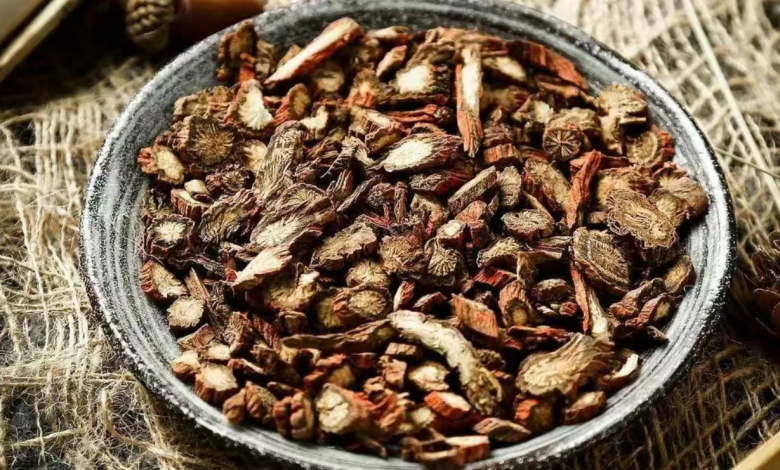
Commonly used herbal ingredients in TCM play a crucial role in scar healing. For example, Panax Notoginseng is renowned for its ability to improve blood circulation, reduce swelling, and soften scar tissue, making it highly effective in treating both fresh and old scars. Galla Chinensis has strong anti-inflammatory and antimicrobial properties, helping to prevent infection and support tissue repair. Licorice Root is another vital herb, known for its soothing, anti-inflammatory properties that help reduce irritation and redness, while also promoting overall skin healing.
TCM’s approach to scar healing emphasizes not only the treatment of the scar itself but also the body’s overall balance and energy flow. By addressing the root causes of scar formation—such as poor circulation, inflammation, or an overactive immune response—TCM promotes natural healing. This approach helps improve skin texture, reduce scar formation, and ensure that the skin heals harmoniously, resulting in smoother, healthier skin without the need for invasive procedures.
3. The Science Behind TCM’s Role in Treating Keloids
The role of Traditional Chinese Medicine (TCM) in treating keloid scars is increasingly supported by modern scientific research. Studies have shown that key herbs used in TCM, such as Panax Notoginseng and Galla Chinensis, contain active compounds that help regulate collagen production, reduce inflammation, and promote tissue regeneration. These herbs have demonstrated anti-inflammatory and anti-fibrotic properties, which are essential in preventing the excessive collagen buildup characteristic of keloid formation. Modern clinical trials and studies have also confirmed the positive effects of these herbs in both reducing scar size and improving skin texture.
One of the breakthrough technologies that has enhanced the effectiveness of TCM is low-temperature fermentation. This innovative process enhances the bioavailability and stability of herbal ingredients by fermenting them at lower temperatures (below 50°C). This method preserves the active compounds in the herbs, preventing them from degrading while optimizing their ability to be absorbed by the skin. By increasing skin penetration, fermented herbs can target deeper layers of scar tissue, promoting more effective healing and reducing the likelihood of keloid recurrence.
The fusion of TCM and modern science brings significant advantages. It not only enhances the efficacy and stability of herbal treatments but also improves their safety. Traditional herbs, when paired with modern technology, ensure that the active ingredients are delivered more precisely and effectively. This synergy allows for a non-invasive, natural, and long-lasting solution for treating keloid scars, with a higher degree of consistency and fewer risks compared to traditional invasive treatments like surgery or laser therapy.
4. Real-World Patient Experiences: How TCM Helps with Keloid Scars
In real-world applications, Traditional Chinese Medicine (TCM) has proven to be highly effective in treating keloid scars, with numerous patients reporting noticeable improvements after using TCM-based treatments. One popular product, Hua Die Fei Scar Removal Liquid, has been praised for its ability to reduce the size and appearance of both fresh and old scars. Patients have shared success stories where their keloid scars became flatter, lighter, and more flexible after consistent use of this herbal formula.
Patient feedback indicates significant improvements in both scar reduction and skin texture. For instance, many users have reported that their keloid scars, which were previously raised, red, and hard, gradually softened and faded after several weeks of treatment. Moreover, the skin surrounding the scar area became smoother, with reduced irritation and discoloration. This has been especially helpful for individuals with scars resulting from surgeries, burns, or acne, who were previously unable to find effective treatments through conventional methods.
The versatility of TCM in treating different types of scars is also evident. Whether dealing with new keloid scars or older, more stubborn scars, patients have found that TCM-based products like Hua Die Fei provide personalized healing. New scars respond well to the anti-inflammatory and collagen-regulating properties of the herbal ingredients, while older scars benefit from the herbs’ ability to break down excess collagen and promote healthier skin regeneration.
These real-life experiences show that TCM offers a natural, non-invasive alternative to traditional treatments, providing effective results for a wide range of scar types and improving overall skin health.
5. Is TCM the Right Solution for Your Keloid Scars?
When it comes to treating keloid scars, choosing the right treatment method depends on the type of scar and individual factors such as skin type, scar age, and the patient’s medical history. Traditional Chinese Medicine (TCM) is an excellent solution for those seeking a non-invasive and natural approach to scar healing. TCM’s holistic approach works by promoting blood circulation, reducing inflammation, and regulating collagen production, which helps prevent excessive scar tissue formation. It’s especially effective for new scars or mild-to-moderate keloids where the scar tissue hasn’t yet matured or hardened.
However, when it comes to more severe or older keloid scars, sometimes a combination of treatments may be necessary. Modern treatments like laser therapy or surgical excision are effective for aggressively reducing scar volume and smoothing out thick, raised tissue. If these treatments don’t completely address the scar, or if patients are looking for long-term maintenance, TCM can be used to support the healing process and prevent recurrence.
The combination of TCM with modern therapies allows for the best of both worlds: effective, safe, and non-invasive scar management. TCM’s gentle, herbal treatments offer the advantage of minimal side effects, unlike laser or surgery, which carry risks like infection, pigmentation changes, or further scarring. Over time, TCM not only helps reduce and soften scars but also promotes skin health and balance, offering a safe and sustainable solution for scar treatment with long-lasting results.
Traditional Chinese Medicine (TCM) offers significant potential in treating keloid scars, providing a natural, safe, and effective solution to scar healing. By addressing the root causes of scar formation, such as poor circulation and inflammation, TCM promotes long-term skin health and improves the appearance of scars without the risks of invasive procedures. We encourage readers to consult with a healthcare professional to determine the best treatment plan based on their individual needs, ensuring a personalized approach to scar management. TCM offers a holistic path to enhanced skin health and a more natural healing process.


