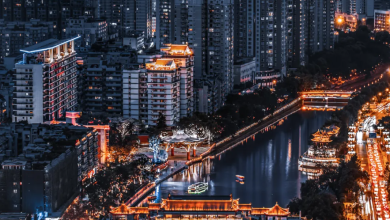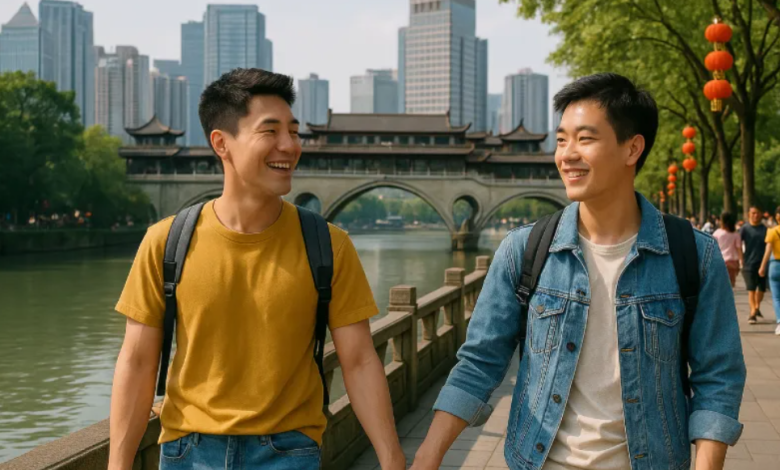
On a sunny spring afternoon in Chengdu, as temperatures approached 28°C, locals began shedding their winter layers for shorts and t-shirts. One jogger, enjoying the warm air, suddenly noticed a man glancing at his mid-calf white socks — paired with shorts, of course. “If I had a round face, buzzcut, and a beard,” he joked, “I might’ve looked like someone’s favorite auntie.”
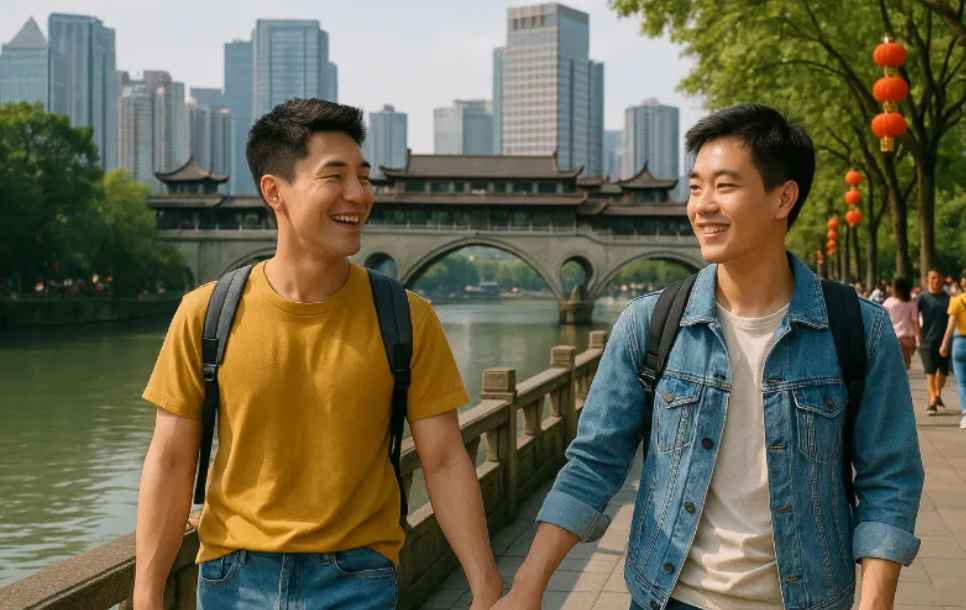
This light-hearted moment touches on a bigger question many Chinese netizens ask: Why does Chengdu seem to have more gay people than other cities? Ask around, and you’ll hear this theory repeated so often it’s practically become common knowledge.
But this isn’t about stereotypes. People from Chengdu — and those who have spent time there — often describe the city as “tolerant,” “relaxed,” and “unbothered.” As long as you don’t disturb others, you can live the life you want. Whether you’re an artist, a geek, or gay — Chengdu probably won’t judge you.
A university student recalled his roommate, a quiet and philosophical gay man who vanished for a month after watching the film Kekexili. When he returned, he simply said, “I went to Kekexili.” That memory of thought meeting action stuck with him for life.
Others remember flamboyant dorm neighbors in high heels or expressive salon stylists offering late-night snacks with a wink — moments humorous, maybe awkward, but ultimately harmless and even touching.
So why is Chengdu more open?
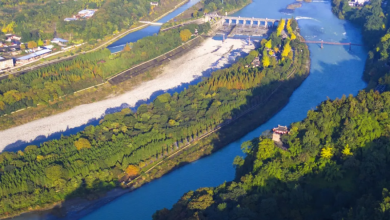
Chengdu’s inclusive vibe is not just urban legend — it’s part cultural, part spiritual. Locals cite a laid-back mindset rooted in the city’s Taoist heritage and unique geographic energy. According to some metaphysical sources, Chengdu sits atop a “Goddess Energy Vortex”, formed by intersecting ley lines connecting Taoist sacred mountains. Nearby are Daoist strongholds like Mount Qingcheng and ancient sites like Sanxingdui. These places are said to radiate feminine, compassionate energy — a spiritual embrace of diversity.
That may sound mystical, but it fits Chengdu’s reputation. Here, you might see two men holding hands downtown, or someone wearing rainbow socks on the subway. No one stares. No one cares.
Local customs also reflect this openness. Some divorced families now form “living partnerships” — raising children together without remarrying or even cohabitating. Unconventional? Sure. Illegal? No. Happy? Often, yes.
As for romantic expression, most people in Chengdu draw a line between personal freedom and public activism. Holding hands? Fine. Waving rainbow flags in political protests? That’s more controversial. Still, acceptance outweighs resistance.
At the end of the day, Chengdu remains a city where diversity thrives — not because it’s trendy, but because people simply live and let live. From the easygoing dialect to the soft-spoken “laogong” making dinner in pink aprons, there’s a cultural gentleness here that quietly fosters inclusion.
Whether or not you believe in Goddess energy, one thing is clear: Chengdu doesn’t care who you love — as long as you’re kind, respectful, and bring your own spice to the hotpot.