


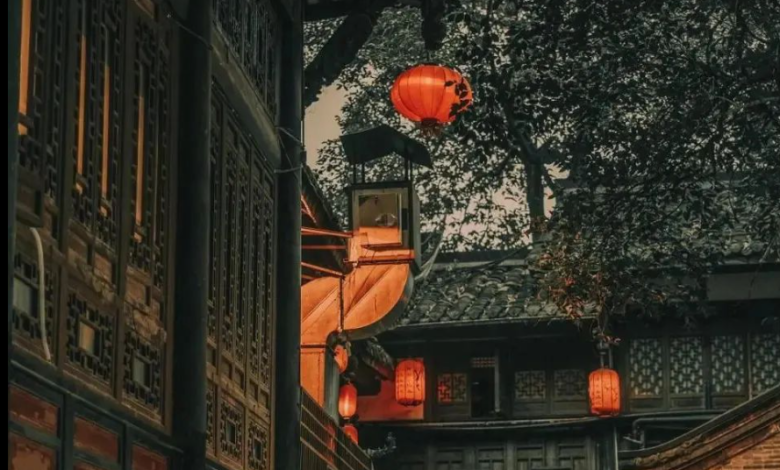
Chengdu, the capital of Sichuan Province in southwestern China, is a city that effortlessly blends ancient traditions with modern vibrancy. Known for its spicy cuisine, leisurely teahouse culture, and adorable giant pandas, Chengdu offers a cultural experience unlike any other in China. Whether you’re strolling through historic alleys, watching a Sichuan opera, or savoring a bowl of fiery hotpot, the city leaves a lasting impression. This article explores the essence of Chengdu’s culture, from its UNESCO-recognized heritage to its contemporary artistic movements, making it a must-visit destination for travelers seeking authenticity and charm.
1. The Heart of Sichuan Cuisine: A Feast for the Senses
No visit to Chengdu is complete without indulging in its world-famous cuisine. Sichuan food, known for its bold flavors and tongue-numbing spices, is a culinary adventure.
- Hotpot (火锅): Chengdu’s signature dish, where diners cook meats, vegetables, and tofu in a bubbling, chili-infused broth. Popular spots like Haidilao and Xiaolongkan offer an immersive dining experience.
- Mapo Tofu (麻婆豆腐): A spicy and aromatic dish made with soft tofu, minced pork, and Sichuan peppercorns, creating a unique mala (numbing-spicy) sensation.
- Street Food Delights: From dan dan noodles (担担面) to chuan chuan (串串, skewered meats boiled in spicy broth), Chengdu’s street food scene is a paradise for food lovers.
The city’s food culture is so significant that UNESCO designated Chengdu as a City of Gastronomy in 2010, recognizing its culinary heritage and innovation.
2. The Art of Slow Living: Teahouses and Parks
Chengdu is famous for its relaxed lifestyle, best experienced in its traditional teahouses and lush parks.
- People’s Park (人民公园): A hub of local life, where elders practice tai chi, friends play mahjong, and couples enjoy boat rides on the lake. The park’s Heming Teahouse is iconic, offering a chance to sip tea while watching ear-cleaning masters at work.
- Sichuan Opera & Face-Changing (变脸): A mesmerizing performance combining drama, acrobatics, and the magical art of bian lian (mask-changing), often performed in cultural theaters like Shufeng Yayun.
These experiences showcase Chengdu’s philosophy of “xiao yao” (逍遥)—living leisurely and joyfully.
3. Pandas: Chengdu’s Furry Ambassadors
The Chengdu Research Base of Giant Panda Breeding is a must-visit, allowing travelers to see China’s beloved national treasure up close.
- Panda Encounters: Visitors can observe pandas munching bamboo, playing, and even watch cubs in the nursery.
- Volunteer Programs: For a deeper experience, some programs let participants assist keepers in preparing food and cleaning enclosures.
The base plays a crucial role in conservation, reinforcing Chengdu’s image as a city that values nature and wildlife.
4. Ancient Streets & Historical Sites
Chengdu’s history spans over 2,000 years, and its well-preserved sites offer glimpses into its past.
- Jinli Ancient Street (锦里古街): A bustling alley lined with traditional Sichuan-style architecture, selling handicrafts, snacks, and souvenirs. At night, lanterns illuminate the street, creating a magical atmosphere.
- Wuhou Shrine (武侯祠): A temple dedicated to Zhuge Liang, a famous strategist of the Three Kingdoms period, surrounded by serene gardens.
- Dufu Thatched Cottage (杜甫草堂): A tranquil museum honoring the Tang Dynasty poet Du Fu, set in a recreated traditional village.
These sites blend history with modern tourism, making Chengdu a living museum of Chinese heritage.
5. Contemporary Culture: Art & Innovation
While deeply rooted in tradition, Chengdu is also a hub for modern creativity.
- Kuanzhai Alley (宽窄巷子): A renovated historical area where boutique cafes, art galleries, and designer shops coexist with Qing Dynasty courtyards.
- Tianfu Software Park & Creative Zones: Chengdu’s tech boom has fostered a youthful arts scene, with venues like MOCA Chengdu (Museum of Contemporary Art) showcasing avant-garde exhibitions.
- Music & Nightlife: The city’s indie music scene thrives in venues like Nu Space, while nightlife hotspots in Lan Kwai Fong Chengdu attract party-goers.
This fusion of old and new makes Chengdu a dynamic cultural capital.
6. Festivals & Local Traditions
Chengdu’s festivals highlight its living traditions and community spirit.
- Sichuan Lantern Festival: Held during Chinese New Year, the city dazzles with intricate lantern displays and dragon dances.
- Chengdu International Intangible Cultural Heritage Festival: A biennial event celebrating folk arts, from embroidery to puppet shows.
- Qingyang Temple’s Taoist Ceremonies: One of China’s oldest Taoist temples hosts rituals that offer insight into spiritual practices.
These events provide immersive ways to engage with local culture.
Conclusion: Why Chengdu Leaves a Lasting Impression
Chengdu is more than just a travel destination—it’s a sensory and cultural journey. From the fiery flavors of its cuisine to the serene moments in a teahouse, from the adorable pandas to the dramatic face-changing performances, the city embodies a harmonious blend of tradition and modernity. Unlike China’s fast-paced megacities, Chengdu invites visitors to slow down, savor the moment, and connect with its rich heritage.
For those seeking an authentic Chinese cultural experience, Chengdu is not just a place to visit—it’s a memory to cherish. Whether you’re a foodie, history buff, nature lover, or art enthusiast, Chengdu promises an unforgettable adventure. Don’t just see China; experience it in Chengdu.


