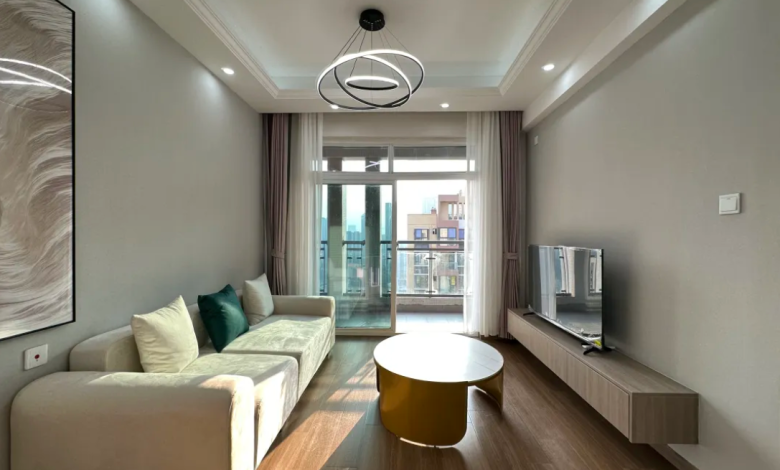
Chengdu, with its laid-back lifestyle, affordable living costs, and thriving expat community, is a popular choice for foreigners settling in China. However, navigating the local rental market can be tricky without the right knowledge. This guide covers everything you need to know—from finding apartments to understanding contracts—to secure your ideal home in the “Land of Abundance.”
1. Popular Neighborhoods for Expats
A. City Center (Tianfu Square & Chunxi Road)
- Pros: Best access to metro lines, shopping, and nightlife.
- Cons: Higher rents (¥4,000–8,000/month for 1-bedroom).
- Best for: Professionals and short-term stays.
B. Tongzilin/South Renmin Road
- Pros: Expat-friendly with Western cafes (Bookworm, Lazy Pug).
- Cons: Older buildings may lack elevators.
- Rent: ¥3,500–6,000 for a modern 1-bedroom.
C. High-Tech Zone (Gaoxin)
- Pros: Near international schools (QSI, Leman) and tech companies.
- Cons: Fewer historic/cultural attractions.
- Rent: ¥2,800–5,000 (good value for space).
D. Shuangnan/Emerald City
- Pros: Green spaces, family-friendly.
- Cons: Farther from downtown (30-min metro ride).
2. Where to Find Listings
A. Online Platforms
- Ziroom (English app available; filtered for foreigners).
- 58.com (use Chrome’s translate feature).
- WeChat Groups (search “Chengdu Housing” + ask expat communities).
B. Real Estate Agencies
- Homies Chengdu – Specializes in helping foreigners.
- Lianjia – Chain with bilingual agents (service fee = 1 month’s rent).
C. Word of Mouth
- Check notices in co-working spaces (WeWork, Regus) or cafes.
3. Key Rental Terms to Know
- 房租 (Fángzū) – Rent
- 押金 (Yājīn) – Deposit (usually 1–3 months’ rent)
- 中介费 (Zhōngjiè fèi) – Agent fee
- 物业费 (Wùyè fèi) – Maintenance fee (¥100–300/month)
Pro Tip: Always request a “Fapiao” (official receipt) for rent payments.
4. Understanding Contracts
Chinese rental contracts are typically 1-year leases, with these clauses:
- Early Termination: Penalty = 1–2 months’ rent.
- Utilities: Usually paid separately (¥200–500/month for electricity/water/gas).
- Repairs: Landlord covers structural issues; tenants handle minor fixes.
⚠️ Warning: Avoid verbal agreements—get everything in writing!
5. Hidden Costs & Negotiation Tips
- Ask for “Free Rent Days” (e.g., 15 days free if signing a 1-year lease).
- Bargain Hard in Winter (low season = better deals).
- Check Internet Options – Some older buildings only have slow broadband.
6. Furnished vs. Unfurnished
- Furnished: Ideal for short-term (includes appliances/basic furniture).
- Unfurnished: Cheaper long-term (budget ¥5,000–10,000 for IKEA basics).
7. Safety & Legal Checks
- Ensure Your Landlord Has Property Ownership Proof (房产证, Fángchǎn zhèng).
- Register with Local Police (required within 24 hours of moving in).
- Test Water Pressure/AC Before Signing!
8. Recommended Service Providers
- Moving: “Chengdu Man with a Van” (WeChat ID: CDmover).
- Cleaning: “Auntie Clean” (¥150–300 per deep clean).
Final Tips
✔ Use Google Translate’s camera function to scan Chinese contracts.
✔ Join Chengdu Expat Facebook/WeChat groups for real-time advice.
✔ Consider serviced apartments (e.g., Somerset) for hassle-free short stays.
With this guide, you’ll navigate Chengdu’s rental market like a pro—leaving you more time to enjoy hotpot and pandas!