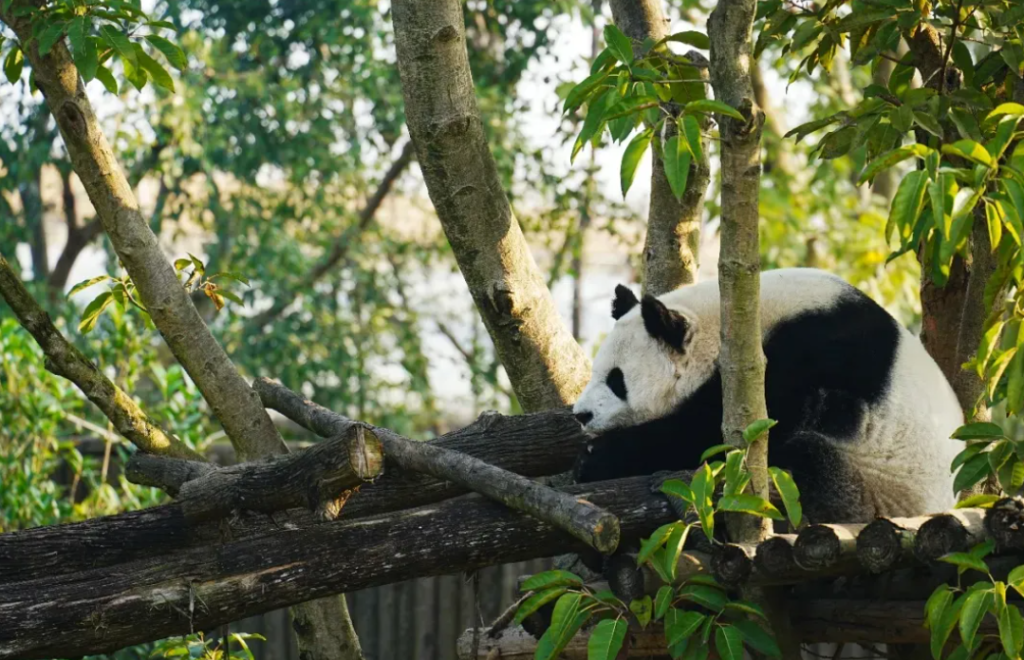
Chengdu Research Base of Giant Panda Breeding: A Sanctuary for Conservation and Tourism

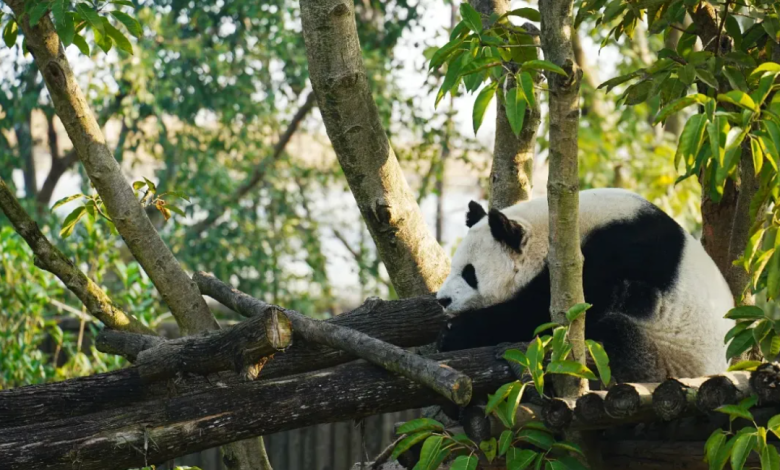
1. Introduction: The Global Significance of the Panda Base
The Chengdu Research Base of Giant Panda Breeding is one of the world’s most renowned wildlife conservation centers, dedicated to protecting and studying giant pandas. Established in 1987, the base has grown from a small rescue facility into a 132-acre sanctuary that attracts over 7 million visitors annually (Chengdu Tourism Bureau, 2023). Recognized as a must-visit UNESCO-associated site, it plays a crucial role in panda breeding, research, and public education.
Beyond tourism, the base contributes to global biodiversity efforts, housing over 200 pandas and successfully reintroducing several into the wild. Its blend of scientific research, conservation, and visitor engagement makes it a model for wildlife tourism. This article explores the base’s operations, visitor experiences, and conservation milestones.
2. Conservation Efforts and Breeding Success
2.1 Pioneering Breeding Programs
The base has revolutionized panda reproduction, overcoming the species’ low birth rates through artificial insemination and cub-rearing techniques. Since 1987, it has bred over 200 pandas, with 20+ cubs born annually in recent years. A key breakthrough was the “twin swap” method, where keepers alternate cubs to ensure both receive maternal care.
2.2 Reintroduction into the Wild
In partnership with the China Conservation and Research Center for the Giant Panda, the base has reintroduced 10 pandas into Sichuan’s forests. The most famous case, Tao Tao (released in 2012), survived in the wild for over five years, proving the program’s success.
2.3 International Collaboration
The base partners with zoos worldwide, including the U.S. (Smithsonian’s National Zoo) and France (Beauval Zoo), lending pandas for research. These collaborations help fund conservation and raise global awareness.
Table: Key Panda Breeding Statistics (2023)
| Metric | Data |
|---|---|
| Total pandas at the base | ~200 |
| Annual cub births | 20+ |
| Wild reintroductions | 10 |
| Research partners | 15+ countries |
3. Visitor Experience: What to See and Do
3.1 Panda Enclosures and Natural Habitats
The base mimics pandas’ natural environment with bamboo forests, streams, and climbing structures. Key areas include:
- Nursery Zone: Watch cubs play under caretakers’ supervision.
- Adult Panda Enclosures: Observe feeding sessions (8:30–10:00 AM).
- Red Panda Area: A separate section for the smaller, equally adorable red pandas.
3.2 Educational Programs and Volunteer Opportunities
Visitors can join “Keeper for a Day” programs, assisting with feeding and enclosure cleaning. The Panda Museum offers interactive exhibits on conservation challenges, such as habitat loss.
3.3 Best Times to Visit
- Morning (8:00–10:00 AM): Pandas are most active during feeding.
- September–November: Cooler weather avoids summer crowds.
4. Economic and Ecological Impact
4.1 Boosting Chengdu’s Tourism Economy
The base generates $150 million annually from ticket sales and merchandise. It supports 1,200+ local jobs, from guides to researchers.
4.2 Sustainable Practices
To minimize ecological disruption, the base:
- Uses solar-powered facilities.
- Recycles bamboo waste into compost.
- Limits daily visitors to 50,000 to reduce stress on animals.
5. Challenges and Future Developments
5.1 Balancing Tourism and Animal Welfare
While tourism funds conservation, overcrowding can stress pandas. The base has introduced timed entry slots and quiet zones to mitigate this.
5.2 Expanding Wild Reintroduction Programs
Future goals include releasing 5–10 pandas yearly and tracking them via GPS collars. A new 200-acre wilderness training area is under construction to prepare cubs for survival.
6. Conclusion: A Model for Wildlife Tourism
The Chengdu Panda Base exemplifies how conservation and tourism can coexist. Its scientific breakthroughs, engaging visitor experiences, and sustainable policies set a global standard. For travelers, it offers a rare chance to witness—and contribute to—panda preservation firsthand.
Key Takeaways (Bullet List):
✔ World’s leading panda breeding center with 200+ pandas.
✔ Successful wild reintroductions (10 pandas since 2006).
✔ Top Chengdu attraction (7M+ visitors/year).
✔ Eco-friendly tourism model with strict visitor limits.
✔ Future focus: Expanding wilderness training and research.