


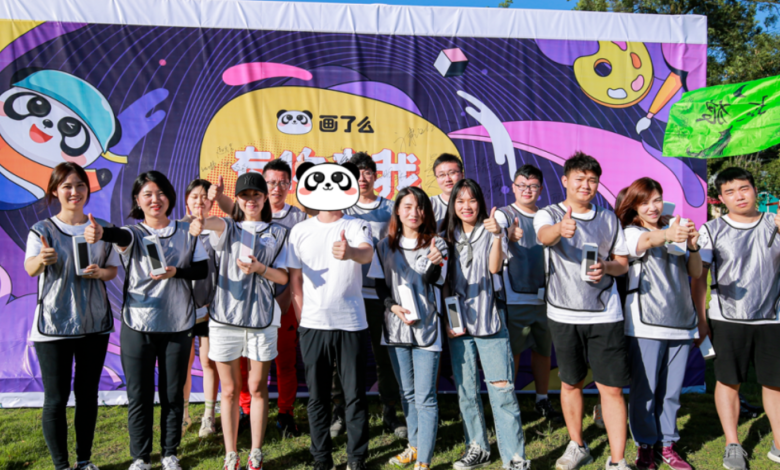
As China’s gaming sector sees explosive growth both domestically and abroad, Chengdu is emerging as one of the country’s most promising hubs for game development and digital entertainment. According to Li Houqiang, Vice Chairman of the Sichuan Provincial Decision Advisory Committee, Chengdu holds “solid foundations, tremendous potential, and a bright future” in the gaming industry.
Speaking during a site visit to Xingbang Interactive Entertainment, a fast-growing game developer based in Chengdu High-Tech Zone, Li emphasized the city’s unique advantages and called for stronger policy and financial support to help local companies expand globally.
hina’s Gaming Market Continues Rapid Growth
The Chinese gaming market reached an impressive ¥325.78 billion in total revenue in 2024, up 7.53% year-on-year, with a user base exceeding 674 million. The momentum continued into Q1 2025, with revenue hitting ¥85.7 billion, a 17.99% increase compared to the same period last year.
Mobile games remain the dominant force, generating ¥238.2 billion in 2024. Client-based and esports games also showed positive growth. Globally, the gaming market is expected to rise from $187.7 billion in 2025 to $213.3 billion by 2030, presenting massive opportunities for Chinese developers to “go global.”
Xingbang: Chengdu’s Mobile Game Powerhouse
Founded in 2014, Xingbang Interactive has become one of China’s most successful mobile game companies. Its flagship title, Jiu Zhou Xian Jian Zhuan, has generated over ¥10 billion in total revenue and amassed nearly 1.5 billion users globally. The company operates on a “culture + technology” model, fusing creative storytelling with cutting-edge AI to streamline development, operations, and global distribution.
With a young R&D team averaging 27 years old, Xingbang emphasizes innovation through AI tools like “Sun Dasheng” and “Zhuge Liang,” which manage the full game lifecycle. Beyond its hit titles, Xingbang has developed hundreds of other games including Tian Jian Qi Yuan and Dawn Summon, many of which have gained popularity abroad.
Chengdu’s Full-Cycle Game Development Ecosystem
Chengdu’s High-Tech Zone is home to over 6,000 cultural and creative enterprises, forming a comprehensive industry chain that includes giants like Tencent, Cocoa Animation, and Xingbang. The region supports all stages of game development—from content creation and engine design to publishing and international marketing.
Li encouraged local developers to integrate Chengdu’s unique cultural IPs—such as Sanxingdui, Mount Emei, Giant Pandas, and Sichuan Opera Face-Changing—into games to create globally appealing, culturally rich content. “Digital + cultural tourism” is a promising model, he added.
Policy Recommendations for Global Expansion
Li proposed several action points to accelerate Chengdu’s rise in the global gaming arena:
- Create a game export support fund to reduce financing costs for studios.
- Streamline the game approval process with local pilot zones and online auditing.
- Foster tech-university partnerships to tackle bottlenecks in AI translation, game engines, and AR/VR.
- Strengthen IP protection through pre-launch infringement checks.
- Promote AAA-quality game development by learning from successes like Black Myth: Wukong.
From “Made in Chengdu” to “Sold Worldwide”
“Chengdu must transform from a production base to a global sales hub,” Li emphasized. He urged governments to focus on “precise policy, cutting-edge tech, and systematic internationalization” and to include companies like Xingbang in top-level support initiatives.
With the right infrastructure, talent, and strategic push, Chengdu is set to become China’s next gaming capital—where culture meets code, and local innovation powers global success.


