


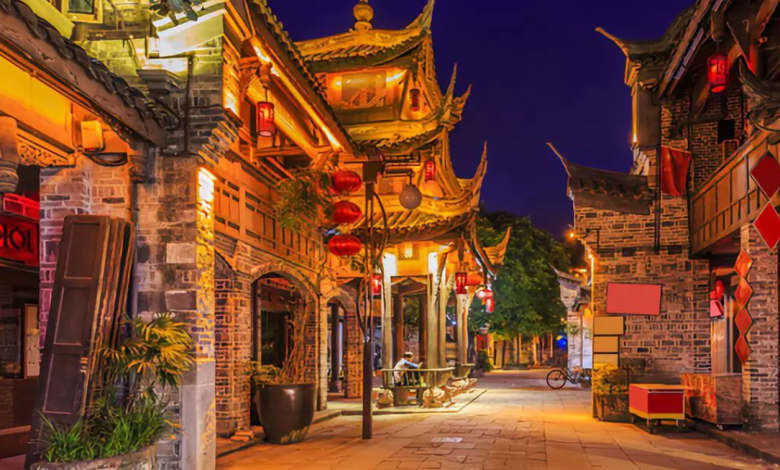
Chengdu, the capital of Sichuan Province in southwestern China, is not only known for its rich cultural heritage, spicy cuisine, and relaxed lifestyle but also for its dynamic media landscape. As a major economic and cultural hub, Chengdu hosts a variety of traditional and digital media platforms that amplify local voices, shape public opinion, and connect communities. This article explores the diverse media ecosystem in Chengdu, including newspapers, television, radio, and digital platforms, while highlighting the role of local journalism, independent creators, and government-supported initiatives in shaping the city’s media identity.
Traditional Media in Chengdu
1. Print Media: Newspapers and Magazines
Chengdu has a long-standing tradition of print journalism, with several influential newspapers serving the region.
- West China Metropolis Daily (华西都市报): One of the most widely read newspapers in Sichuan, it covers local news, business, and entertainment, often focusing on Chengdu’s urban development and social issues.
- Chengdu Business Daily (成都商报): A leading business-oriented newspaper that provides insights into the city’s economic trends, corporate news, and financial policies.
- Sichuan Daily (四川日报): While covering broader provincial news, it frequently highlights Chengdu’s political and cultural developments.
Additionally, lifestyle magazines such as Hello Chengdu cater to expatriates and English-speaking residents, offering insights into local events, dining, and culture.
2. Television and Radio
Chengdu’s broadcast media plays a crucial role in news dissemination and entertainment.
- Sichuan Television (SCTV): One of the major regional broadcasters, SCTV produces news programs, documentaries, and variety shows that reflect Sichuan’s culture, including Chengdu’s vibrant arts scene.
- Chengdu Radio and Television (CDRTV): This local station operates multiple channels, offering news, talk shows, and music programs tailored to Chengdu residents.
Radio remains popular, with stations like FM 91.4 (Chengdu Traffic Radio) providing real-time traffic updates, news, and entertainment, catering to the city’s commuters.
Digital Media and Social Platforms
1. Online News Portals
With the rise of digital consumption, Chengdu’s media has expanded into online platforms.
- The Paper (澎湃新闻): While a national outlet, it frequently features Chengdu-related stories, particularly on urban development and social issues.
- Red Star News (红星新闻): A digital-native news platform under Chengdu Business Daily, focusing on investigative journalism and in-depth reporting on local affairs.
2. Social Media and Short-Video Platforms
Younger audiences in Chengdu increasingly rely on social media for news and entertainment.
- WeChat Public Accounts: Many local media outlets and independent bloggers use WeChat to publish articles on Chengdu’s lifestyle, food, and events. Accounts like “Chengdu Plus” and “Meet in Chengdu” are popular among residents.
- Douyin (TikTok China) and Kuaishou: Short-video platforms have become essential for viral content, with many Chengdu-based creators sharing food reviews, travel vlogs, and comedic sketches. The city’s laid-back culture and street food scenes often go viral on these platforms.
- Xiaohongshu (Little Red Book): A mix of lifestyle blogging and e-commerce, where Chengdu influencers recommend local cafes, fashion boutiques, and tourist spots.
3. Independent and Alternative Media
Beyond state-affiliated media, independent voices are emerging through podcasts, blogs, and citizen journalism.
- Podcasts: Shows like “Chengdu Chatter” discuss local culture, business, and expat life in English, offering a niche perspective.
- Substack and Personal Blogs: Some writers and journalists use international platforms to share uncensored opinions on Chengdu’s urban changes and cultural shifts.
The Role of Government and Media Regulations
As in other Chinese cities, Chengdu’s media operates within a framework of national regulations. However, local authorities also promote media initiatives to boost the city’s image.
- Chengdu Media Group (CMG): A state-backed conglomerate that oversees newspapers, TV, and digital platforms, ensuring alignment with government narratives while supporting local content.
- Cultural Promotion: The city government actively promotes Chengdu’s image as a “City of Happiness” through media campaigns, documentaries, and international exchanges, such as partnerships with foreign media outlets.
Despite censorship challenges, Chengdu’s media professionals often find creative ways to discuss social issues, urban development, and cultural preservation within permissible boundaries.
Challenges and Future Trends
1. Balancing Local Identity and National Narratives
While Chengdu’s media reflects local culture, it must also align with national policies. This sometimes leads to tensions between grassroots storytelling and state-directed messaging.
2. The Rise of Hyper-Local and Community Media
Neighborhood-focused platforms, such as community WeChat groups and mini-programs, are becoming essential for hyper-local news, from street repairs to cultural festivals.
3. Digital Transformation and AI Integration
Like global media trends, Chengdu’s outlets are experimenting with AI-driven news production, virtual reality storytelling, and automated content to enhance efficiency and engagement.
Conclusion
Chengdu’s media landscape is a vibrant mix of traditional and digital platforms, offering diverse voices that reflect the city’s unique identity. From established newspapers and TV stations to dynamic social media influencers and independent podcasters, Chengdu’s media ecosystem continues to evolve, balancing local storytelling with national media frameworks. As technology advances and audience preferences shift, the future of Chengdu’s media will likely see greater digital innovation, community-driven content, and global outreach—all while preserving the city’s distinctive cultural charm.
By exploring these platforms and voices, we gain a deeper understanding of how media shapes and is shaped by Chengdu’s society, making it a fascinating case study in China’s rapidly changing media environment.


