


Chengdu, the capital of Sichuan Province in China, is famous for its rich history, spicy cuisine, and adorable giant pandas. However, the city also boasts some of the most beautiful and culturally significant temples in China. These temples offer visitors a glimpse into ancient Buddhist and Taoist traditions, stunning architecture, and peaceful retreats from the bustling city.
Whether you’re interested in history, religion, or simply want to experience the serene beauty of traditional Chinese temples, Chengdu has plenty to offer. This article highlights the top temples in Chengdu, each with its own unique charm and significance.
1. Wenshu Monastery – A Zen Oasis in the City
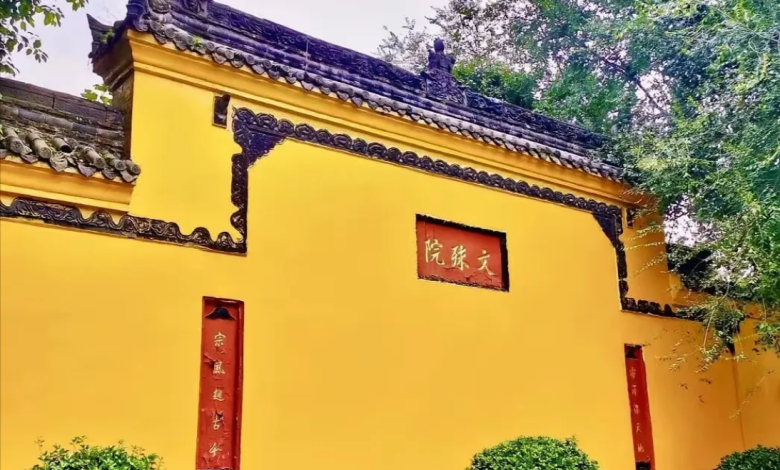
Wenshu Monastery (文殊院) is one of the most well-preserved Buddhist temples in Chengdu. Built during the Tang Dynasty (618–907 AD), this temple is dedicated to Wenshu, the Bodhisattva of Wisdom. Unlike many other temples that have been heavily restored, Wenshu Monastery retains much of its original charm, making it a favorite among locals and tourists alike.
What to See and Do
- Ancient Architecture: The temple features traditional Chinese wooden structures, intricate carvings, and beautifully landscaped gardens.
- Tea House Culture: One of the highlights of Wenshu Monastery is its tranquil tea house, where visitors can enjoy Sichuan tea while soaking in the peaceful atmosphere.
- Vegetarian Restaurant: The monastery is famous for its delicious vegetarian dishes, offering a unique culinary experience.
- Cultural Relics: Inside the temple, you’ll find ancient Buddhist scriptures, statues, and artifacts that date back centuries.
Why Visit?
Wenshu Monastery provides a perfect escape from the city’s hustle and bustle. Whether you want to meditate, enjoy traditional tea, or admire historic Buddhist art, this temple offers a serene and enriching experience.
2. Qingyang Palace – The Birthplace of Taoism
Qingyang Palace (青羊宫), also known as the Black Goat Temple, is one of the oldest and most important Taoist temples in China. According to legend, it was founded during the Zhou Dynasty (1046–256 BC) and is closely associated with Laozi, the founder of Taoism.
What to See and Do
- The Black Goat Statues: The temple is famous for its bronze goat statues, which are said to possess magical healing powers. Visitors often touch them for good luck.
- Taoist Rituals: If you visit during a Taoist festival, you might witness traditional ceremonies, chanting, and incense offerings.
- Beautiful Gardens: The temple grounds are filled with lush greenery, pavilions, and ponds, creating a peaceful environment.
- Bagua Pavilion: This octagonal pavilion is a masterpiece of Taoist architecture and symbolizes the Eight Trigrams, a key concept in Taoist philosophy.
Why Visit?
Qingyang Palace offers a deep dive into Taoist culture and philosophy. Its historical significance, combined with its tranquil setting, makes it a must-visit for anyone interested in Chinese spirituality.
3. Baoguang Temple – A Hidden Gem with a Sacred Relic
Located in the northern suburb of Chengdu, Baoguang Temple (宝光寺) is one of the most important Buddhist temples in Sichuan. Built during the Eastern Han Dynasty (25–220 AD), it is renowned for its 500 Arhat Hall, which houses 500 life-sized statues of Buddhist disciples.
What to See and Do
- The 500 Arhat Statues: Each statue has a unique facial expression and posture, making them fascinating to observe.
- The Buddhist Relic Pagoda: The temple’s main pagoda is said to contain a sacred relic of the Buddha, attracting pilgrims from all over China.
- Calligraphy and Paintings: The temple houses a collection of ancient Buddhist artworks and inscriptions.
- Peaceful Surroundings: Unlike more touristy temples, Baoguang Temple remains relatively quiet, offering a more meditative experience.
Why Visit?
If you want to explore a less crowded but historically rich temple, Baoguang Temple is an excellent choice. Its unique Arhat statues and sacred relics make it a spiritually significant site.
4. Daci Temple – A Blend of History and Modernity
Daci Temple (大慈寺), located in Chengdu’s bustling Chunxi Road shopping district, is a fascinating contrast between ancient spirituality and modern urban life. Founded in the 7th century, this temple was once one of the largest Buddhist centers in China.
What to See and Do
- Historic Architecture: Despite being surrounded by skyscrapers, the temple retains its traditional wooden halls and courtyards.
- Cultural Events: Daci Temple often hosts calligraphy exhibitions, Buddhist lectures, and traditional music performances.
- Tea and Meditation: The temple’s tea house is a great place to relax and observe local life.
- Nearby Shopping: After visiting, you can explore the trendy Chunxi Road for shopping and dining.
Why Visit?
Daci Temple offers a unique experience where ancient traditions meet modern city life. It’s perfect for those who want to enjoy history without leaving the urban center.
5. Zhaojue Temple – A Serene Retreat with a Rich History
Zhaojue Temple (昭觉寺), located in the northeastern part of Chengdu, is one of the city’s most important Zen Buddhist temples. Established during the Tang Dynasty, it has been a center for Buddhist learning for centuries.
What to See and Do
- Grand Buddha Halls: The temple features multiple halls with giant Buddha statues, including a majestic Maitreya Buddha.
- Monk Training Center: Unlike other temples, Zhaojue is still an active monastery where monks live and study.
- Beautiful Gardens: The temple grounds include a lotus pond and lush greenery, ideal for quiet reflection.
- Incense and Prayer: Visitors can participate in traditional Buddhist rituals, such as lighting incense and making offerings.
Why Visit?
Zhaojue Temple is ideal for those seeking a deeper understanding of Buddhist practice. Its active monastic community and peaceful environment make it a truly spiritual destination.
Conclusion
Chengdu’s temples are more than just religious sites—they are living museums of history, culture, and spirituality. Whether you’re drawn to the wisdom of Wenshu Monastery, the Taoist mysticism of Qingyang Palace, or the serene beauty of Zhaojue Temple, each offers a unique experience.
Visiting these temples allows travelers to connect with Chengdu’s ancient traditions while enjoying moments of peace in the heart of a vibrant city. No trip to Chengdu is complete without exploring these sacred and historical treasures.


